
The Blog Library
How to Give Back With Your Photography Business
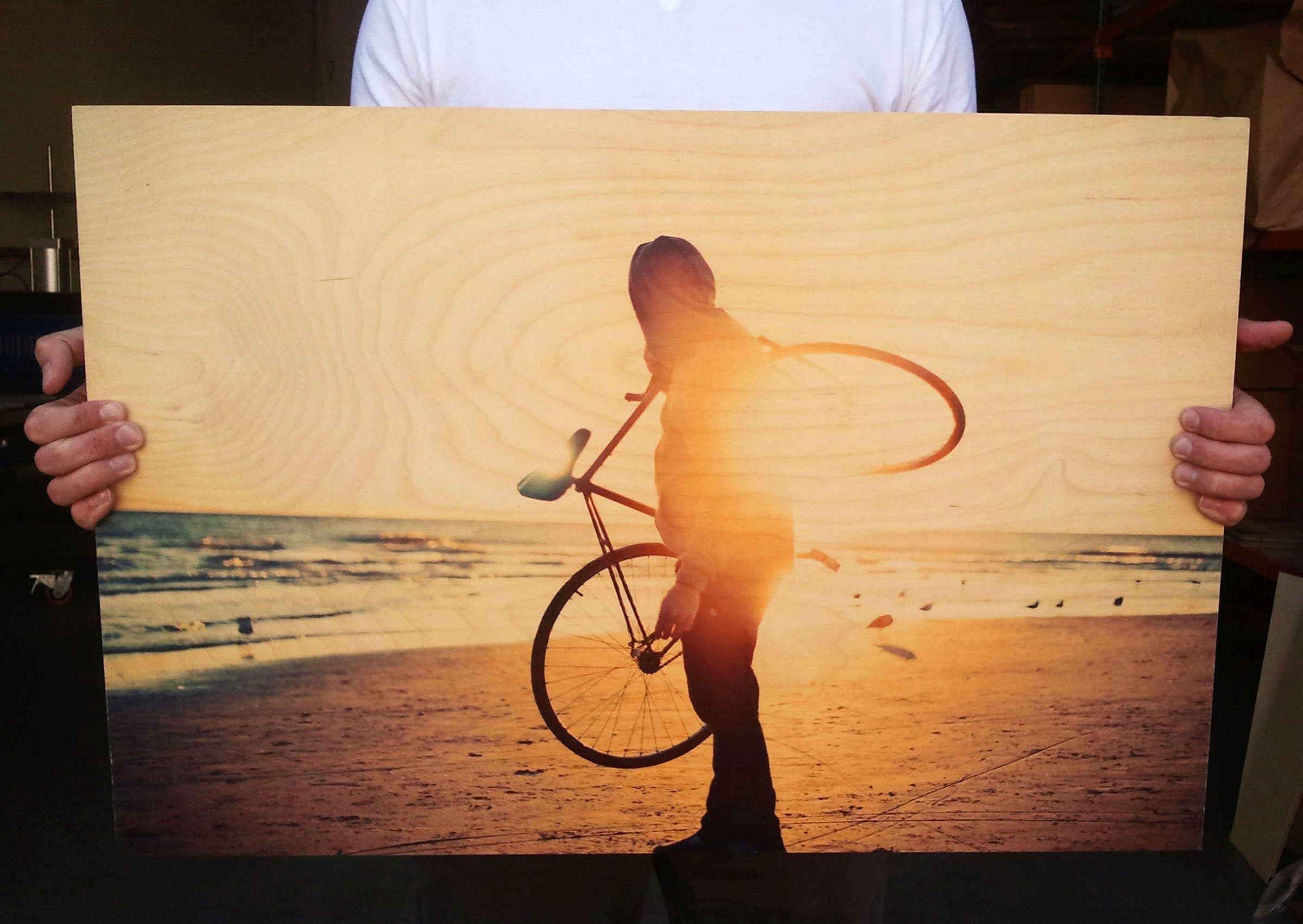
Mike and Ricky founded their company for the same reasons most of us founded ours:
To create something that was their own, and do things exactly the way they wanted.
But for them, “doing things their way” didn’t just mean deciding what to make or where to sell it. They wanted to change the world through business. Not simply through token gestures of “giving back,” but weaving the idea of giving into the fabric of their company. Not as a marketing ploy, either, but as a very reason for being.
And their company, founded only last January, just so happened to explode in growth and land gaspworthy clients at breakneck speed.
Needless to say, I had to sit down with these guys.
I went in with one big question: How can photographers do the same thing?
How can we create profitable but generosity-soaked businesses that stand apart from everyone else?
Thankfully, Mike sat down with me via Skype to share his thoughts on building a giving business. Our conversation left my mind absolutely crackling with new ideas, so much that I couldn’t sit still.
But let’s back up for a second, because I know you’re wondering:
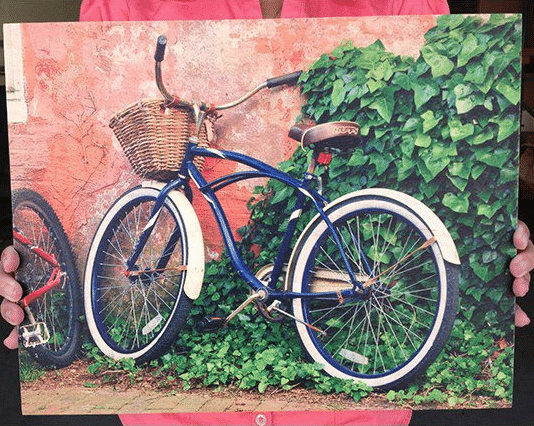
The company Mike and Ricky created is called WoodSnap. They’re in the business of creating breathlessly gorgeous prints directly on – you guessed it – wood.
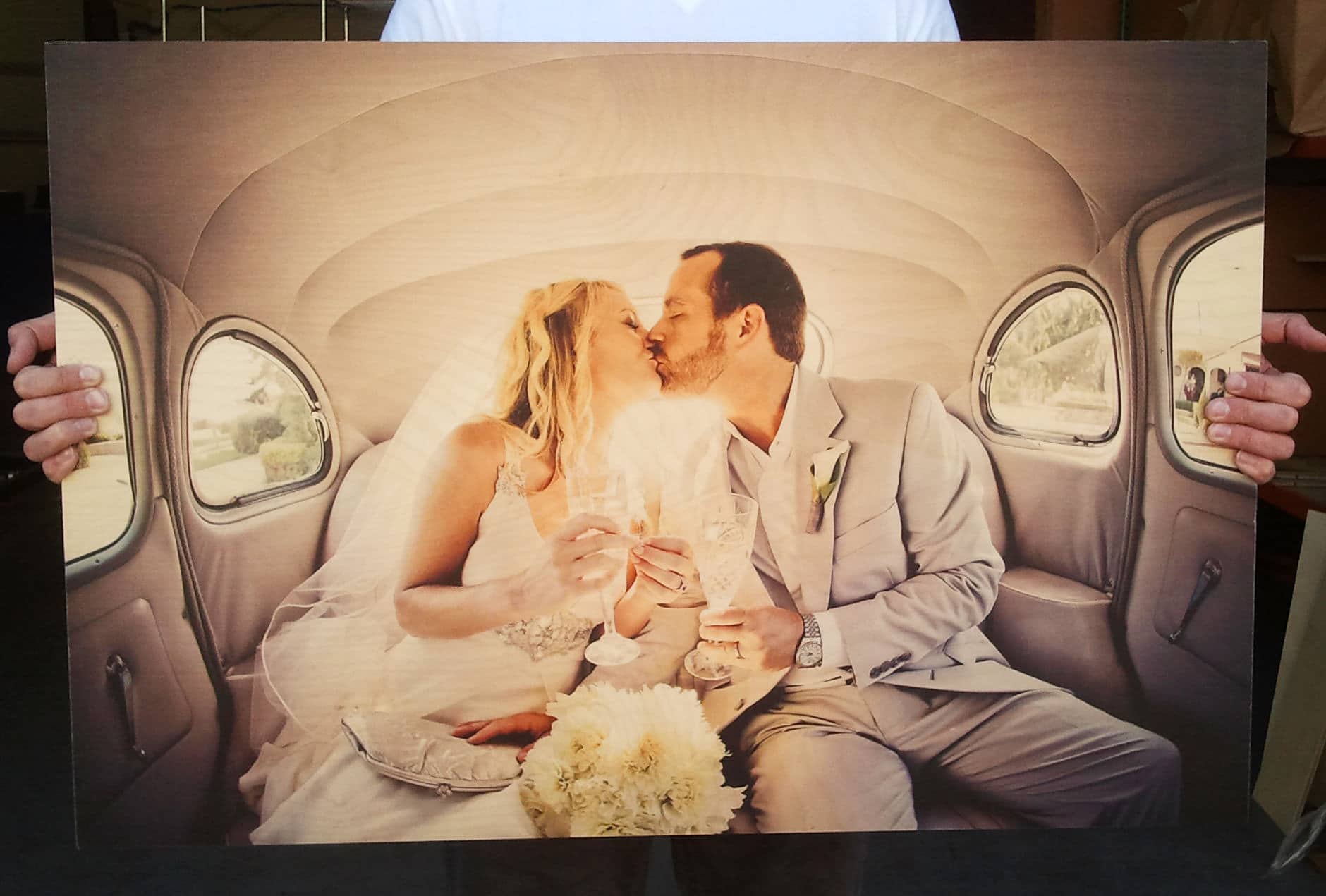
Mike originally ran a company screen-printing and embroidering T-shirts for big companies. But in that cutthroat industry, there was no loyalty among clients. Price was king, there was always something wrong, and you couldn’t seem to win no matter how hard you worked. When Ricky floated the idea of starting a print-on-wood company, it seemed like a great fit.
But of course, no business leap is ever easy – they had to invent an entirely new process for printing onto wood. More than once, they wanted to give up – but they persisted. Eventually, they unraveled the challenges, then lost no time flooring customers like Google, American Express, and Travel and Leisure with their craftsmanship. But it’s not just the “big fish” they love working with, they take great joy hearing stories of tears streaming down grandparents’ faces when they received a WoodSnap print of their loved ones.
But bringing joy and great service to clients wasn’t enough.
One day while still developing the business, Mike was sitting down by the beach and thought – what better way to give back to the world than to replenish what you’re using?
WoodSnap was already working out a sustainable wood source for the actual prints – but why not take it one step further and plant a tree for every WoodSnap order? Woodsnap’s “Roots for Trees” program was born. (Ricky, the craftsman and marketing genius, was jokingly mad that Mike, the logistics and sales guy, was the one to land upon this stroke of brilliance.)
In partnership with American Forests, WoodSnap actively rebuilds our forests, one order and one tree at a time. Not only does that help the earth, Mike says, “It helps you sleep well at night – you’re doing more than just looking for profit.” Rather than having “giving” activities be occasional events when it’s convenient, you can integrate it into every transaction. You’re no longer just building a business, you’re building a sustainable way to serve the world.
Okay, that’s all rainbows and Skittles – but why should I, as a photographer, hassle with “giving back”?
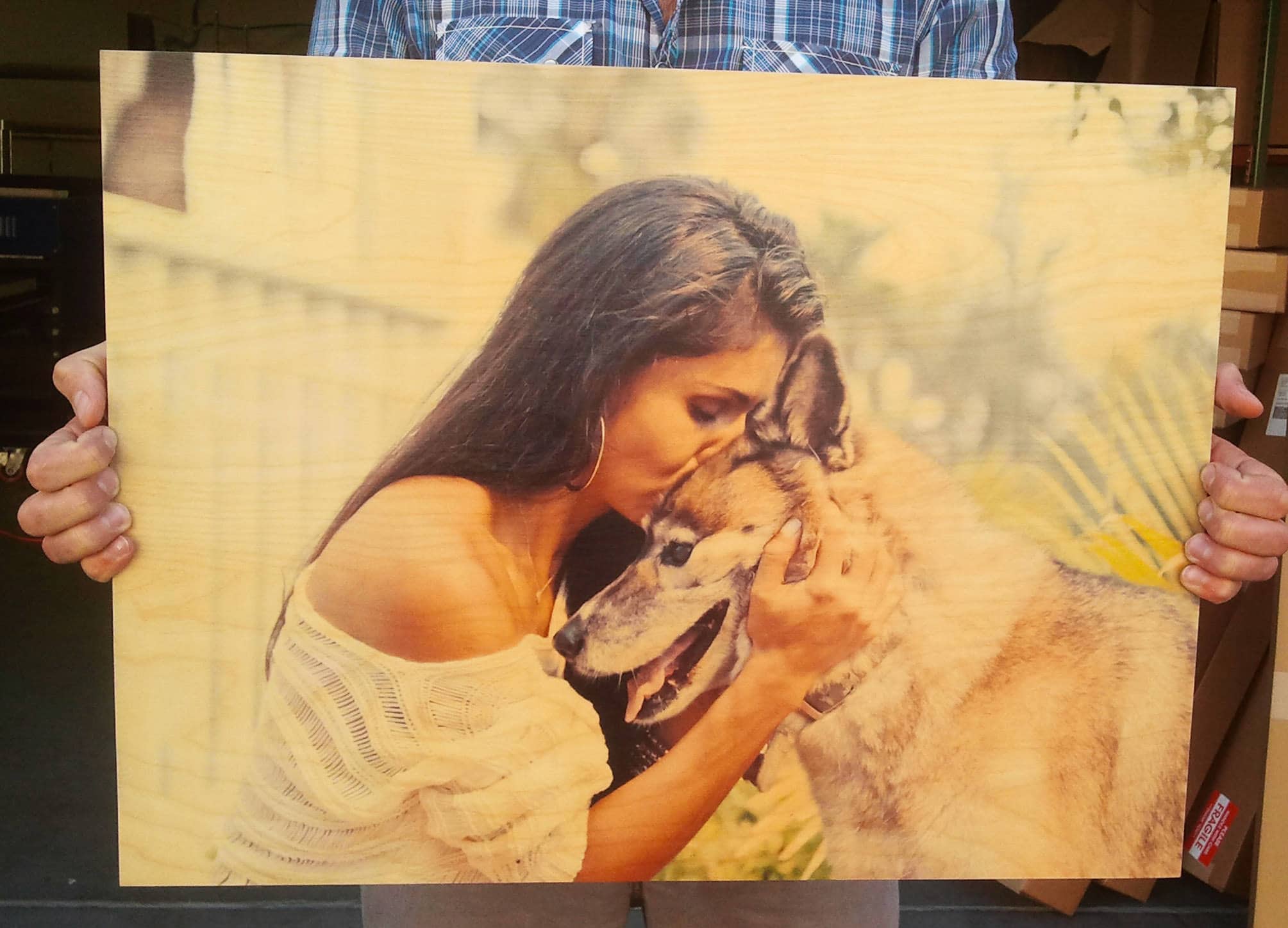
We get it: It’s hard enough to run your own business. There’s an endless pile of customer service, paperwork, taxes, and further education to stay on top of. Just the thought of adding another program might feel overwhelming.
But what if instead of “one more thing to do,” giving back was simply an active part of your business life, one that not only made the world better, but in turn made your business better as well?
Consumers can smell false intentions a mile away. If you’re not genuinely interested in taking care of the world, adding a charitable component to your business has been shown to do more harm than good.
But if you find a cause you’re truly passionate about, you can feel safe creating a way for your business to invest in it. Because when you take care of the world, the world has a way of taking care of you.
In fact, my conversation with Mike left me convinced that incorporating genuine giving into your photography business just so happens to help you stop struggling in four major areas:
#1: Attracting Like-Minded Clients
Although WoodSnap did not conceive or run Roots for Trees as marketing campaign, it remains (unsurprisingly) a huge draw for clients. “It makes a connection with people, and gives them comfort in working with us,” Mike explains.
Most businesses are long on talk and short on connection. If giving to a cause is a passion you share with your clients, it creates a bond that goes beyond your portfolio.
Clients want to give back as much as we do. In fact, research indicates that people are more willing to try a new brand when it supports a cause they care about, and they’re also willing to deal with inconvenience (like driving out of their way) to support a business that supports a social cause that’s dear to their heart.
As (I presume) a target client of WoodSnap myself, I couldn’t help but notice this in my own reaction to their website, which states: “You order a WoodSnap and we plant a Redwood Tree which will eventually grow to over 150 feet tall.”
My own thought process went something like this: “I love trees and I care about the environment. I feel vaguely guilty about how much paper and cardboard I toss into the recycle bin each week. But I’m not slogging through the woods planting trees, either. In fact, I wouldn’t even know where to start if I wanted to plant a redwood on my own! But here’s this company that will let me do just that in the course of my regular business……this is so cool……..sign me up!!!”
Their product is gorgeous, of course – but they also expanded my vision of what doing business with them could mean. They’re no longer just trying to sell me something, and I’m no longer just buying something – we’re both conducting business in a way that benefits the planet.
And that is very, very cool. Cooler than any feature they could have added, cooler than any other bonus they could have given me.
When someone is hesitating to spend money (and who isn’t?), they will feel a good deal safer taking the plunge when they know that their money isn’t just getting them a product, it’s actively supporting a cause they care about.
Thus, not only does giving back offer us peace of mind as business owners, it gives peace of mind to our clients as well.
#2: Differentiating Yourself From Your (Abundant) Competition.
Let’s be honest – as good as we might be as photographers, our clients will always have other people they could hire to do the same job.
WoodSnap might face a similar dilemma: There are lots of quality printed products, and even though no one else is printing on wood, they run the risk of being chalked up as something cool that people “might check out someday.”
However, because WoodSnap gives me a way to align my printing with my values of lowering my impact on the environment, I’m going to remember them over just another nifty print product.
Consumer research suggests that in an intensely competitive market, clients use social initiatives to differentiate between services.
In other words, when you take the time to genuinely support something, you’re no longer one of the dozen photographers on the block in people’s minds.
You’re “that amazing photographer who works with Pet Rescue.”
You’re putting yourself on the same team as both the client and the cause you both want to fight for.
That is more meaningful and memorable than any ‘campaign’ you could come up with.
#3: Standing Firm on Pricing.
Many of us regularly face bargain-hunters, or even just regular people trying to get “a better deal.” It’s tempting to cave on our pricing, especially when we need the work.
But if you have a passion for using your business as a way to give to a higher cause, it’s added reason to stick to your guns. If you take that 20% cut the client is asking for, you’re not just compromising your pay, you’re bankrupting what could have been a much-needed donation to something you genuinely care about.
Consumer research indicates that customers are also willing to pay more for something that supports a cause. Not a huge amount – we’re talking an extra $5-$6 per hundred dollars. That may mean someone is less likely to bully and bargain when they know they’re not just getting a deal from you – they’re taking from a cause that’s bigger than you.
People respect it when you stand for something, and they may take pleasure in paying in full because they also enjoy helping others.
#4: Fighting Burnout
Running your own business is a rocky road, and we’re not talking ice cream. Persistence in the face of impenetrable obstacles can sound romantic, but it’s decidedly un-fun in the moment. Photography itself, which you once loved, can start to become a burden. More and more, your camera stays zipped in the bag. You feel disillusioned, and constantly question what the point of all this is.
Burnout results.
Keeping a clear vision of what you’re working toward – something besides just photography – can help you keep going through those difficult times.
“When you have a give-back campaign and you’re able to see what you’re contributing, it really does keep you going. It keeps you encouraged,” Mike said. “We all want to feel like we have a purpose, and it gives you that purpose.”
Having a cause to fight for – something besides just money in your pocket – can mean the difference between quitting and persisting.
So how do we actually do it?
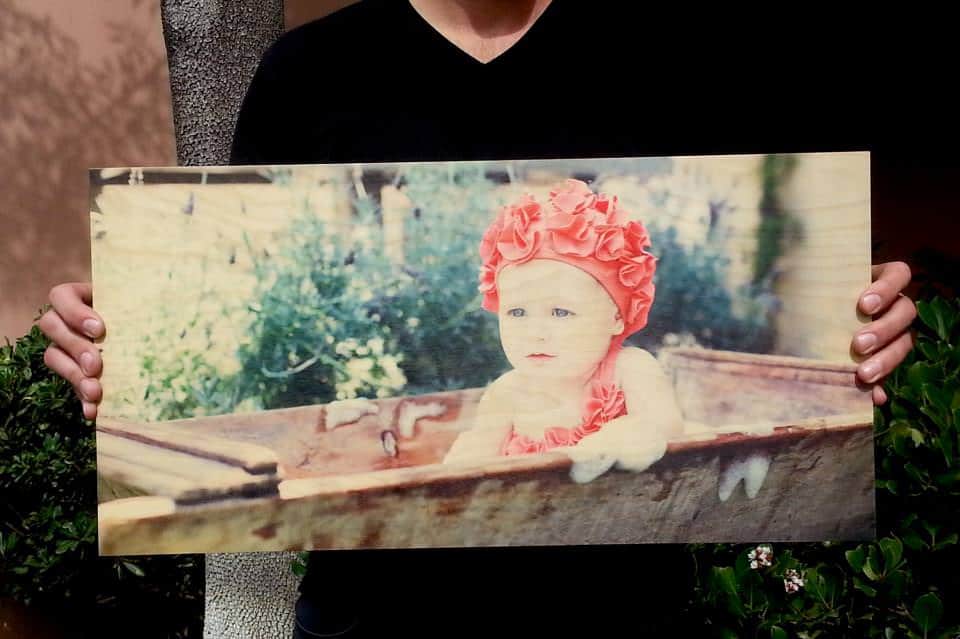
Like all things that matter, giving back starts with searching your own heart.
What causes really matter to you? Is there anything you care about, but feel kinda hypocritical for not doing anything about it? Has anyone or anything had a big impact in your life, and you’d like to return the favor?
Mike came up with Roots for Trees partially because it was a good fit for a wood-based business – but that wasn’t the end of it. He and Ricky are both avid outdoorsmen, they love the forests and ocean in southern California where Mike grew up. They care about the conditions of forests and our ability to preserve and enjoy them. More than just a conveniently-aligning cause, supporting forests means preserving the things they love for future generations.
Give-back initiatives tend to be more successful when they are considered both proactive and “high fit” by consumers.
Proactive – as opposed to reactive – means that you weren’t compelled to come up with a social cause.
If you’re on Facebook one week complaining how you never get any pet photography clients, and the next week you’re advertising that for every pet shoot you get you’ll donate $5 to the local shelter, people are more likely to see that as a marketing ploy that reacts to your need for business, rather than a proactive way to give to a good cause.
Being proactive means finding a way to give back that really means something, a cause you can sustain over a long period of time. Not just something you adopt out of necessity, then drop when it doesn’t “work” or fulfills your purpose. Passion and long-term commitment are key, and those can only grow out of soul searching and evaluating what matters to you.
High-fit simply means that there’s a strong link between your type of business and the cause you support.
It might be great for you to donate 5% of your profits to the Save the Dolphins foundation. But because dolphins are pretty far afield from, say, wedding photography, clients might not necessarily remember what you’re doing or view it all that positively.
But if, for example, you’re a portrait photographer and you donate one shoot a month to a family who lost everything in a house fire, clients will have an easier time seeing and remembering that connection. They think about how it would be to lose all their own possessions, and appreciate more deeply why you’re devoting yourself to replacing precious lost photographs for those in need.
You can give to whatever your heart says is right. Don’t select a cause solely based on popularity.
But the more you help people see the direct connection between your business work and your charitable work, the more likely they are to want to help you help the world.
Clients also become inherently excited when they get to “choose” how their donations are used.
One survey found that 63% of people would donate to a cause in a store (and 58% online) if they were allowed to select which charity or nonprofit their donation went to. People like having granular control over where their money is going – it puts them in active partnership with you, gets them more involved with your cause, and feels more satisfying overall.
That doesn’t mean you have to line up a whole bunch of causes you donate to. It could be as simple as allowing people to check a box to decide whether they want a portion of their session fee to go towards food or towards toys at a nearby animal shelter. Or they can help decide whether they want to “buy” either an album or prints for individuals you serve through a nonprofit. Having some sort of choice helps people engage with what you’re doing, and thus feel more invested.
Final word of advice: Don’t fly solo – enlist the experts.
There are plenty of organizations who are already doing a fantastic job addressing the needs of most causes. You might find that teaming up with a nonprofit or charity eliminates unnecessary leg work, and focuses your efforts on what actually matters.
Of course, Mike adds, be sure to do your due diligence to make sure the cause to which you’re donating is solid. The Better Business Bureau, along with free search sites like GuideStar can help you determine whether a particular organization is using their donations honestly and effectively.
But before you decide exactly how or what you’ll donate: You might find it best to determine what sort of cause you’re interested in, then engage in a discussion with that group or an organization that represents them.
This is more productive than marching in and declaring your intention to donate X or Y – it’s a nice thought, but it might not actually be what they need. For example, you might want to shoot glamour portraits for residents at a local women’s shelter, but might find that what they actually need are professional-looking business portraits and assistance setting up LinkedIn profiles so they can find jobs.
Giving to others is most sustainable when you listen to what their true immediate needs are, and discuss possible solutions together. Organizations tend to have a close handle on their own needs, and can help you make sure your efforts are focused where they would have the most impact. Above all, you want to make sure your service is actually serving, not simply making you feel good. 🙂
How can you do more good in the world through the way you work? We’d love to hear about it in the comments!
And speaking of doing business generously –
In addition to contributing to this post, WoodSnap has kindly offered an 11×14 wooden print to give away to one lucky Psychology for Photographers reader. Enter below for a chance to get your hands on one of these beauties (if you’re reading this post in your email, click here to go to the blog):
a Rafflecopter giveaway

All images in this post courtesy of WoodSnap.com. Used with permission.

This is so exciting! I love their product and I love the idea of giving back as a part of my business. Thanks for the great info!!
My passion is to help kids who have been in the same situation as I have, in the foster care system. So many things that I do is to raise money for child abuse prevention, sexual victim children and homeless children. I have been unable to raise the money I would like to see but this is my passion and this will be something I will continue to do for the little ones. I thank God has have given me a talent and I could not thank him any better than using it to help others. I would like to get an event going on every year maybe like a carnival to raise for the local children.
this is such a great portrayal of how giving back should be used! I love the prints too!
These are gorgeous. I would love one of these.
I’ve been thinking about offering discounts at sessions – $1 or $2 for each canned good people bring to their session, especially in the fall and winter months. I could match their donation up to a certain amount and we could give a ton of food to the local food bank.
I want to give people their memories… even the hard ones. I also give to adoptions whenever I can b/c Ive been in their shoes and know how defeating it can feel… 🙂
Such a great post and very timely for my business! I’m making the transition from wedding photography and into food and have been wanting to approach our local Foodbank as well as Foodland Ontario to volunteer my services. This post was great in helping to remind me that volunteering services/making donations etc can be worked seemlessly into my business. It’s wonderful when you find something you care about, that just so happens to flow with your business model. Just think of all the people you will be able to reach and make aware of your cause!
Great post– I have been toying with doing something like this recently, so it is relevant for me! 🙂
I LOVE being able to give back.
I help a lot with the local Humane Society (www.humanesocietyofwichitacounty.org). I am actually donating a percentage of all of my sessions from October until the end of the year. Also, if a client donates items or cash, they get a discount on their session.
That’s one of those things that makes me think that the next big idea is around the corner!
Yay! I love when I read a post and can say, “Awesome! My idea was a good one!” It makes me feel like I’m on completely the right path. Thanks for another great post! 🙂
This product is amazing. I think I am going to buy one if i don;t win. and you hooked me with “for everyone purchased we’ll plant a tree”. Such an inspiring idea!
Wow what a great article! I am sooo looking into getting some prints from wood snap they are gorgeous! Thanks so much for giving back!
Ohh and I would give back to children who are sick or in the hospital .. I was one of those kids and knows how hard it is to bee there everyday.
Thank you for the introduction to an innovative new company- great article that gives me a lot to think about! I’ve been giving back since the start of my business, but it’s been very haphazard. I would have never considered it before, but I think focusing and streamlining my charitable efforts may be just as important as focusing my target client.
Lovely article. I would really love to get a print from wood snap. Thanks.
I want to give back by photographing those who have an inspiring story to tell — like Andria Lindquist’s inspria{shown}…
What an amazing product! Love it! I did one mini session day where the proceeds all went to sponsor students in Sierra Leonne and it was a HUGE success. Parents got their `Back To School’ photos done and we supported a student for the year:)
Thank you for this! This is fantastic!
I’m drawn to wedding photography, but my love of animals is telling my heart to donate my skills to photograph shelter pets to help them find new homes. I know these things aren’t super related, but I’m going to find a way.
Love the idea of giving back! I am in the midst of a breast cancer awareness project on my site and already making plans to improve upon it next year!
Love your blog!!!
I have been thinking about this for a long time! I LOVE to do things for others and I often joke that the best job in the world would be being Santa Claus. So, I’d really love to give back in some way. However, I’ve had a hard time coming up with a meaningful cause. One that I really want to stick with and am passionate about. While reading your post I got an idea! I absolutely love to read, have a ridiculous book collection (both electronic and paper), and firmly believe in teaching children the love of reading. Maybe I could donate books somewhere or help start a library. I’ll have to do some research on organizations but I’m happy to have an idea that inspires me 🙂 Thanks for the thought provoking post!
I’m a Now I Lay Me Down To Sleep photographer, who donates portraits to families in the awful circumstance of not being able to bring their babies home from the hospital after birth.
Love the post! I donate prints to local organizations for silent auctions and door prizes, but I love the idea of incorporating giving into each transaction.
I love this x1000000
I love this blog post – it is totally inspiring for me. I’m going to work on this next year as a new part of my business plan.
I don’t have a business yet but would love to have one someday that is able to give back to those less fortunate!
Thank you for all the wonderful, clear, sensible information that you share.
Whoops – hit reply too quickly. I try to give back to my community in the form of gift certificates donated to silent auctions, family portrait fundraisers for local schools, and through covering local charitable events and publishing the images free of charge on my FB page.
Good idea! This is going to take some thought. I’ve been donating some photography to a local public elementary school and to other organizations, but I probably will want to get more specific with a charity. … Interesting product! I’d love to win a sample. <:
Thanks for the great post about giving. It is some thing I really enjoy and I like the idea of doing it regularly.
Printing on wood is such a neat idea. Thanks for the chance to win! 🙂
I would like to be a blessing to adoptive families. I volunteer through an organization called the Red Thread Sessions and offer free family sessions to families who have recently adopted.
This is such a poignant entry around the holidays. Thanks for making us all remember to give back!
Great post! I’ve tossed around the idea of doing a fundraiser for our local children’s hospital for years. This past spring our youngest ended up spending a week there at seven week old, and the desire became much stronger after seeing first hand what they do for the families. I don’t know where to begin, but this post gave me some ideas for a starting point! Thanks!
Wonderful thought-provoking post, as usual. Love what I see of woodsnap products, and adore their cause, as I live in and love the woods, myself.
I do regularly engage in volunteer work and highly encourage everyone to give time of themselves, not just their money, in service to others. Helping others is the highest purpose of all.
I just came back from PhotoExpo in NYC, where I saw the WoodSnap booth. Their product is even more beautiful in person! I had not heard about the Roots for Trees program until I came upon your article just now. One more reason for me to try out their product.
I would love to give back more – we do have to give in order to receive – it’s the law of the Universe!
Thanks for posting! It’s such an important topic too that everyone needs to hear at some point. Thanks
great article, beautiful product.
Always great food for thought here!
I LOVE THESE!!! So awesome, can’t wait to start selling them to clients! I’m new to this business but absolutely love this idea of giving back. Two causes dear to my heart are animal welfare and helping teen girls and young women feel empowered and realize their true potential. I would like to donate a certain percentage of every session to a no-kill shelter for Pit Bulls here in Colorado. I’d also love to get together a program for young girls that both teaches them that they can truly do ANYTHING they want to do and gives them an amazing photography session to help them feel beautiful inside and out!
These prints are beautiful! Who wouldn’t love one of those hanging on the wall!
If our clients donate $30.00 to one of our favourite charities (www.citykidz.ca), we give $100 off their wedding package. This has been great for city kidz because $30.00 goes a loooong way to helping one of the 22,000 kids that live in poverty in our city (pairs them up with a mentor etc. We’ve found that a lot of our clients give even more to the charity, and we get a lot of positive feedback about it, because I think there are perceptions in the wedding photography industry that photographers just charge whatever crazy price they want, just because they can or because they want to make a lot of money. So giving back to our community helps our clients see that we actually aren’t in it just for pure profits. It’s actually been the deciding factor in choosing us for at least two of our clients that we know of in the last year.
The one thing that stuck with me in this article was #3, standing firm on pricing – once we get priced to where we’re at, we’ll be able to donate even more without affecting our bottom line so much.
One thing I did want to mention – when we decided to do this, we just did it, and figured that God would work make up for the minor loss in profits to us in the end, and we’ve never even noticed that we’re making $100 dollars less. Seriously, if you do donate – you will not notice (as long as its a reasonable amount). But I can tell you who has noticed, and thats the kids in our community 🙂
What a great idea! Giving out of the abundance we have been given is a rewarding way to remember that life is about so much more than just our own little world. Impacting the lives of others, while working in your giftings is a great and fulfilling combo.
What an awesome idea!!
These look lovely, Jenika!
Can’t tell you how much this article resonated with me. The WoodSnap pics are stunning. Wow. Loved, too, the drive to use their business to effect a positive change in the world around them. As a parent of a special needs child, the opportunity to support local groups that help children like my son means so much. Thank you.
This is awesome. It’s something I’ve been thinking about for a long time, but wasn’t sure how to even go about it. There are some really great useful tips – thank you!
Thanks for posting this. I think I am being told something today as I also read a quote from the businessman and philanthropist John Paul DeJoria: “Success without giving back is like failure”. I do wish more companies subscribed to that view.
Happy to have noticed a comment posted on Served Up Fresh that led me here, giving me lots to consider for my own business Thank you!
Such a cool idea!!
Those are amazing!
For a while I have thought about joining an organization like Now I Lay me Down to Sleep. Unfortunately, I don’t have the lighting and what not to do so, so I am going to host a giveaway for families who have been through rough times recently. I would love to be able to give back through photography!
This is my my most favorite post on your blog. I started my business with the focus being on giving back. I highly recommend reading the book “Start Something that Matters” by Blake Mycoskie- the Founder of TOMS. Fantastic and inspiring. <3
I loved that book too, Grace!! 🙂
As an industrial photographer, I fund this idea very innovative. Giving back something is really a wonderful idea. Great work and keep going.
A few years ago I got involved with an organization called “Littlest Heroes”. The concept was a network of photographers who would donate their services and prints to families of children with life threatening or life altering health issues. Through that organization I made contact with some amazing local families and special children whose courage astounds me daily.
Sadly, the organization faded away and changed into something else. I still want to continue to do that work and am now trying to figure out how to let people know that I am available – and that a portion of my revenue goes to support the cost of providing that service.
Nathan was, and is, my inspiration:
http://imagesbyceci.com/2011/10/
This is my favorite post on your blog. I highly recommend reading the book “Start Something that Matters” by Blake Mycoskie. Fantastic and inspiring.